
RGB backlighting typically consumes more power than single-color lighting, drawing around 2 to 5 watts compared to 0.5 to 2 watts. This increased energy use is partly due to the higher blue light emission associated with RGB, which can lead to digital eye strain and sleep disruption. Single-color systems, offering consistent illumination, tend to reduce glare and provide a more comfortable viewing experience. For anyone keen on understanding these distinctions, further insights await.
Key Takeaways
- RGB backlighting consumes 2 to 5 watts, while single-color systems typically draw 0.5 to 2 watts, making RGB less energy-efficient.
- The dynamic nature of RGB can lead to increased eye strain due to higher blue light emission compared to single-color lighting.
- Eye strain symptoms from RGB systems include dryness and irritation, especially during prolonged use without breaks.
- Single-color backlighting offers consistent light output, reducing flicker and minimizing eye strain during extended viewing sessions.
- Adjusting RGB brightness and color temperature can help mitigate eye fatigue, but requires frequent tweaks for optimal comfort.
Understanding RGB Backlighting
While RGB backlighting has gained popularity for its vibrant visual effects, understanding its mechanics and applications is essential for informed decision-making. RGB lighting utilizes multiple colored LEDs—red, green, and blue—creating dynamic visual experiences that single-color backlighting lacks. Addressable RGB (ARGB) technology enhances this by allowing individual control over each LED, adapting based on the content displayed on the monitor backlight. This adaptability can reduce eye strain, as RGB configurations may adjust brightness and color temperature, effectively matching ambient lighting conditions. However, it is vital to avoid excessively bright settings, as they may lead to distraction or eye fatigue. Similar to gaming chair ergonomics, proper RGB lighting setup plays a crucial role in maintaining user comfort during extended screen time. Ultimately, achieving the right balance in RGB installation will maximize visual comfort and engagement without diminishing effectiveness.
What Is Single-Color Backlighting?

Single-color backlighting represents a straightforward yet effective solution for enhancing display visibility. Utilizing either white or a specific color LED lights, this backlighting method provides uniform illumination that reduces glare and improves contrast, particularly in dim environments. As a result, viewers experience a more comfortable viewing experience, as it minimizes abrupt differences in brightness between the screen and ambient light, effectively reducing eye strain. Often found in budget monitors and televisions, single-color backlighting offers an ideal option for those who prefer simplicity over complex RGB adjustments. In addition, its energy-efficient design typically results in lower power consumption, making it a cost-effective choice for prolonged screen use, particularly for users seeking consistent visual comfort. Unlike keyboards with RGB lighting effects, which can draw significant power from batteries up to 10,000mAh, single-color backlighting maintains efficiency while providing necessary illumination.
Power Consumption Comparison

In comparing power consumption, RGB backlighting systems naturally tend to demand more energy because of their intricate design and the need to manage multiple color-producing LED diodes. While a single-color LED typically draws around 0.5 to 2 watts depending on brightness, RGB setups often consume between 2 to 5 watts, and sometimes more, especially during dynamic effects. This increased power draw can lead to a 30-50% higher energy usage during peak operations compared to single-color models. Additionally, the energy requirement fluctuates based on the number of LEDs actively producing light, which is an important consideration for long-term energy efficiency. Therefore, understanding these differences in power consumption can also aid in reducing potential eye strain over time. Similar to PS5 media remotes, users should consider keeping spare batteries handy to maintain consistent performance during extended usage periods.
Recommended Products
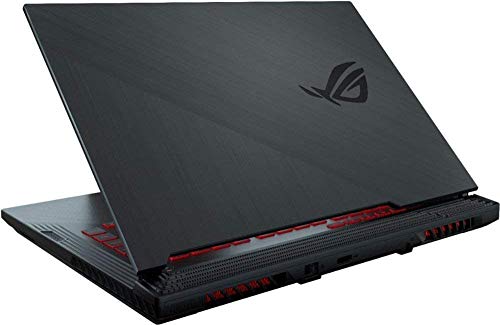
▶ With the latest 9th Gen Intel Core i7-9750H mobile processor; (2. 60 GHz, Max Turbo Frequency 4. 50 GHz, 12 MB SmartCache); Powerful 6-core, twelve-way processing performance.

9th Gen Intel Core i5-9300H mobile processor. Smart quad-core, eight-way processing performance. Intel Turbo Boost Technology delivers dynamic extra power when you need it, while increasing energy efficiency when you don't.

27-inch 4K (3840 x 2160) LED backlight HDR display with 178° wide-view IPS panel
The Impact of Blue Light

How does blue light from RGB backlighting affect visual health? The blue light emitted by RGB backlighting can greatly contribute to digital eye strain, especially in prolonged use. This light, classified as high-energy visible light, disrupts circadian rhythms, potentially affecting sleep quality. In contrast to single-color backlighting, RGB systems emit higher levels of blue light, which can increase discomfort and fatigue for users. To reduce eye strain and enhance eye protection, individuals may consider employing software solutions like F.lux or adjusting display settings to warmer color temperatures during evening hours. Users sensitive to blue light should also lower screen brightness and utilize dark mode or specific blue light reduction features for improved visual comfort. Quality gaming glasses can block harmful rays up to 99% while maintaining optimal color accuracy during extended gaming sessions.
Eye Strain and Its Symptoms

Eye strain, a pervasive issue in the digital age, often manifests through a range of symptoms including dryness, irritation, blurred vision, and headaches. This condition arises when the eyes become fatigued from prolonged focusing on screens, particularly during activities like gaming or binge-watching TV. The blue light emitted can exacerbate eye strain and impair sleep quality. However, employing RGB LED backlighting may help reduce eye fatigue by minimizing stark contrasts between a brightly lit screen and surrounding darkness. Incorporating lighting solutions and taking regular breaks by following the 20-20-20 rule—looking at something 20 feet away for 20 seconds every 20 minutes—can effectively mitigate the discomfort associated with eye strain and enhance overall viewing comfort. Similar to how tactile feedback in sim racing handbrakes enhances the gaming experience, proper lighting setup plays a crucial role in user comfort during extended screen time.
How RGB Backlighting Affects Eye Health
The impact of RGB backlighting on eye health is a significant consideration for anyone who spends extensive time in front of screens. RGB lights help reduce eye strain by providing ambient illumination that softens the contrast between the display and environment, especially in low-light conditions. This is essential because high exposure to blue light emitted by screens can lead to digital eye strain. However, advanced RGB backlighting, particularly addressable RGB (ARGB), allows for filtering blue light, which is beneficial. In addition, flicker-free technology in many RGB setups minimizes discomfort from rapid light fluctuations. The adaptability of color temperature—warming tones from 3000K to 4000K—also enhances comfort, particularly during evening and late-night usage, reducing eye fatigue effectively. Modern LED desk lamps like the SUPERDANNY LED Desk Lamp offer customizable brightness levels from 10% to 100% to accommodate different lighting needs throughout the day.
The Role of Color Temperature
Color temperature plays a critical role in how lighting impacts visual comfort and overall wellness, particularly in digital environments. Measured in Kelvin (K), color temperatures range from warm yellow at 2700K to cool white at 6500K. Warmer temperatures, approximately 3000K-4000K, reduce eye strain by emitting less blue light, while cooler temperatures can enhance visual clarity but may lead to discomfort during extended use. Research indicates that dynamically adjusting color temperatures according to the time of day can alleviate eye strain, promoting better sleep patterns when warmer tones are used in the evening. Moreover, the power draw from RGB backlighting varies with color temperature, with warmer colors generally requiring less energy, enhancing the overall efficiency of the lighting system. Modern RGB gaming chairs offer customizable lighting modes that allow users to adjust color temperatures for optimal visual comfort during extended gaming sessions.
Advantages of Single-Color Backlighting
Harnessing the potential of single-color backlighting offers numerous advantages that cater to both energy efficiency and visual comfort. Unlike RGB systems, single-color backlighting typically consumes less power, considerably reducing energy costs and enhancing monitor longevity. The uniform light output minimizes glare and color fringing, fostering greater visual comfort during prolonged use. This simplicity also contributes to reduced eye strain, especially in low-light environments. Studies show that gentle illumination from single-color setups mitigates contrast-induced eye strain, making them ideal for extended viewing sessions. Additionally, warmer tones limit blue light exposure, promoting focus and comfort. Therefore, for users seeking a distraction-free experience, single-color backlighting stands out as a superior choice for both performance and well-being. Similar to high-density foam panels used in acoustic treatment, single-color backlighting provides a consistent and effective solution for creating optimal viewing environments.
Recommended Products
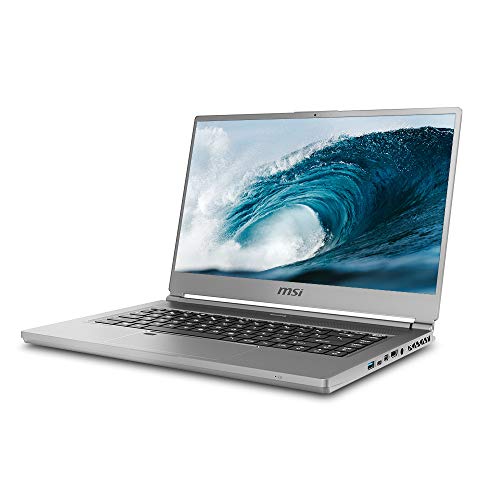
Display 15 6" Uhd (3840X2160) anti-glare wide view angle 4K

LCD Monitor is reliable and offers convenient usage

27-inch 4K (3840 x 2160) LuxPixel AGLR display with 178° wide-view IPS panel
User Experience: RGB Vs Single-Color
User experience differs significantly between RGB and single-color backlighting systems, impacting everything from comfort to immersion. With single-color backlighting, users typically report reduced eye strain due to consistent light output, minimizing flicker and enhancing visual stability over long periods. In contrast, RGB systems offer dynamic lighting that can heighten immersion but may increase fatigue if overly bright or excessively animated. The simplicity of adjusting brightness and warmth in single-color setups allows users to tailor their environment to their comfort needs effectively. Studies indicate that softer tones found in single-color backlighting are preferred for extended use, whereas RGB users often find themselves frequently tweaking settings to achieve similar comfort levels. This distinction highlights vital considerations for users seeking an ideal lighting experience. Similar to how noise-canceling technology enhances focus and reduces distractions in gaming headsets, single-color backlighting provides a more consistent and less distracting visual environment for users.
Energy Efficiency Considerations
Examining energy efficiency brings to light the contrasting power consumption profiles of RGB and single-color backlighting systems. RGB lighting typically consumes more power due to the activation of multiple LEDs to produce a wide spectrum of colors, leading to an average increase of over 20% in energy draw compared to single-color options. In typical home and office settings, RGB setups may also contribute an additional 5-10% to electricity costs when used continuously at high brightness levels. Conversely, single-color LEDs offer reduced power consumption and long-term savings. Although advanced, energy-efficient RGB monitors can optimize power usage dynamically, the inherent higher demand still contributes to potential eye strain and greater costs over time. Choosing wisely can have lasting impacts. Similar to the Afterglow RGB Controller which provides up to 40 hours of battery life, modern RGB lighting systems are becoming increasingly energy-efficient despite their higher power requirements.
Recommended Products

LG USA AUTHORIZED - Includes 26 Months Extended Protection in ADDITION to the Included FULL Manufacturer Protection

STAND OUT WITH A BEAUTIFUL PINK DESIGN: Bring personality to your desk with a stylish pink finish that complements modern gaming setups, streaming spaces, and aesthetic workstations. Performance meets style in one stunning display.

NO-NONSENSE FEATURES TO GET THE JOB DONE - The Prime 13 is a minimalist, beautiful, and rock-solid keyboard that seamlessly connects the user to the machine for maximum creativity and productivity. Focus on the task at hand and let the keyboard disappear from your mind, seamlessly connecting it to your work displayed on the monitor.
Practical Applications for Gaming and Media
While RGB backlighting systems offer a range of visual enhancements, single-color backlighting maintains a steadfast position in practicality for gaming and media. Users often select RGB lighting for immersive experiences; however, single-color options, particularly white, provide consistent illumination, greatly reducing energy consumption. This is vital during extended play, as lower power draw correlates with minimized heat generation and reduced eye strain. Studies indicate that while RGB can enhance visual comfort, its rapid color changes may lead to visual fatigue. Properly configured, RGB systems can improve surrounding ambient lighting but make certain to avoid excessive variations. Ultimately, for those prioritizing viewing comfort during lengthy sessions, single-color backlighting presents a reliable and efficient alternative.
Recommended Products

【Smooth 120Hz Performance with FreeSync】With a refresh rate of up to 120Hz and support for AMD FreeSync Premium, the monitor delivers a smoother and more stable visual experience during daily workflows. Whether scrolling through spreadsheets, browsing web pages, or switching between applications, motion appears fluid and responsive, helping improve productivity and visual comfort during long hours at the desk.

All-Day Eye Comfort with True Color Accuracy: Improved ComfortView Plus reduces harmful blue light emissions to ≤35%, allowing you to work, study, or game for extended hours with less eye strain—while maintaining rich, color-accurate visuals that creatives and professionals can rely on.
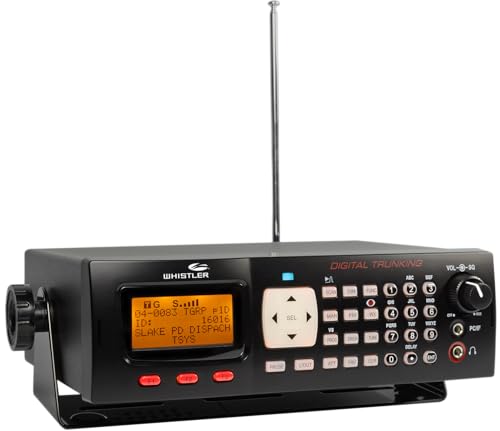
Multi-Color LED & Audible Alerts: Stay informed with programmable audible alarms and a customizable Alert LED that supports up to 8 user-defined colors from thousands of combinations.
Recommendations for Safe Use
To guarantee a comfortable viewing experience, maintaining ideal lighting conditions is essential, particularly when utilizing RGB or single-color backlighting. Users should aim for a balanced brightness setting, ideally around 200 cd/m², to minimize harsh contrasts that can contribute to eye strain. Employing flicker-free technology in lighting is advisable, as subtle flickering may escalate discomfort during extended use. Furthermore, adjusting lighting color temperature—using 5000K-6500K during the day and 3000K-4000K in the evening—can enhance comfort considerably. Regular breaks of 20 to 30 minutes are vital for reducing eye strain, encouraging users to rest their eyes. Additionally, blue light filtering solutions, whether apps or specialized monitors, assist in protecting against digital eye strain, particularly when dealing with high blue light emissions.
Recommended Products

THUNDERBOLT 3: Thunderbolt 3 lets you seamlessly sync your images, videos, and data, and charge your Mac devices using an 85W all-in-one cable.
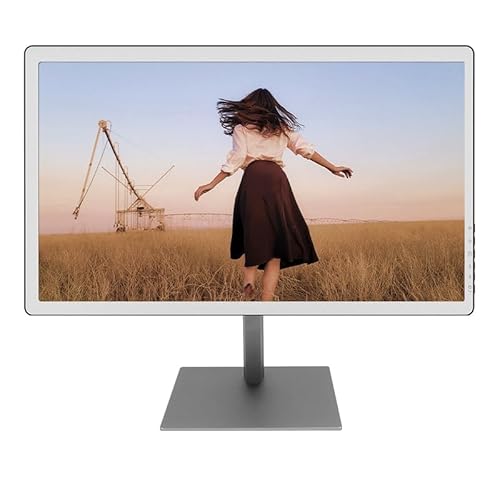
With its expansive 25.3-inch color E-ink screen and customizable front light, Bigme B251 epaper color display monitor brings the authentic feel of color printing paper to your workspace, all while prioritizing your eye comfort.

CURVED DESIGN: Immersive 2300R ultrawide curved viewing experience with panoramic images, vivid color, and incredible detail
Final Thoughts on Backlighting Choices
How should one navigate the options between RGB and single-color backlighting? When considering light output, RGB setups can enhance visual experiences but may contribute to eye strain due to overly bright or rapidly changing colors. Single-color backlighting, however, offers a stable illumination that minimizes distractions and is often preferred by those sensitive to light. Users seeking vibrant displays might lean towards RGB, knowing it generally consumes more power, but they must balance this against potential discomfort in prolonged usage. Ambient lighting considerations indicate that RGB can help mitigate brightness disparities in dark environments if used judiciously. Ultimately, the best choice depends on individual preferences and sensitivities, weighing aesthetics against comfort during extended screen time.
Frequently Asked Questions
What Color Backlight Is Best for Eyes?
A warm color temperature, paired with appropriate ambient lighting and lower brightness levels, is considered best for reducing eye strain. Such combinations foster comfort and minimize fatigue during extended screen usage, especially in darker environments.
Does Backlight Reduce Eye Strain?
Backlighting considerably reduces eye strain, offering backlight benefits that promote eye comfort. By improving color temperature consistency and providing balanced illumination, it enhances viewing experiences, particularly in low-light situations, contributing to overall visual well-being.
Is RGB Light Good for Eyes?
RGB light is generally beneficial for the eyes, offering advantages such as customizable color temperature that enhances visual comfort. Properly adjusted RGB technology mitigates eye strain and supports a more pleasant viewing experience, promoting overall visual health.
Does RGB Increase the Electricity Bill?
A vibrant kaleidoscope illuminates rooms, revealing that RGB lighting does slightly increase the electricity bill. However, its lighting efficiency may enhance productivity, leading to greater energy savings compared to traditional options, making the cost often negligible.