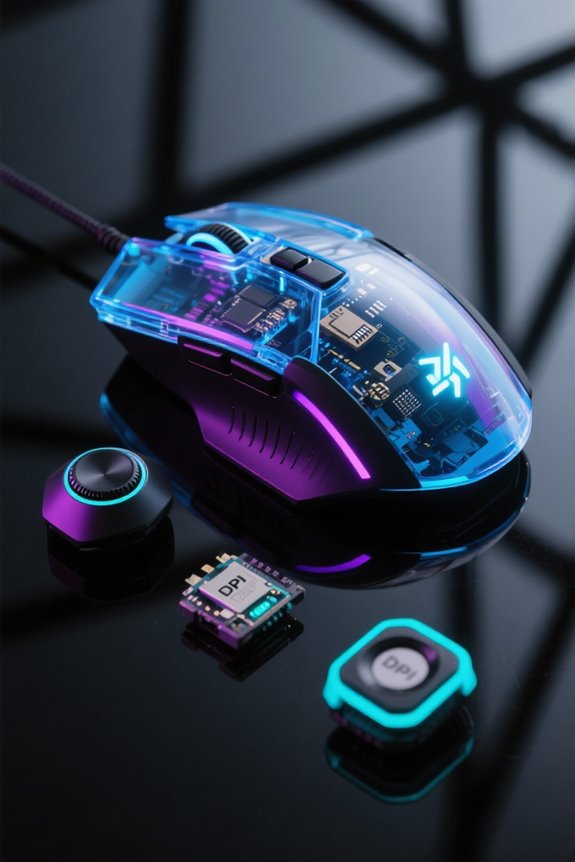


Mouse feet materials, particularly PTFE and its variants like virgin PTFE, play a vital role in enhancing gaming performance. PTFE offers low friction, ideal glide, and durability, making it a choice for competitive play. Virgin PTFE boasts 100% purity, enhancing glide further, while modified PTFE provides added strength and wear resistance. Other alternatives, such as UHMWPE, balance durability and low friction. Understanding these materials is essential for gamers looking to improve their setup. Discover the differences further ahead.
Key Takeaways
- PTFE is a low-friction material ideal for mouse skates, enhancing glide and responsiveness in gaming scenarios.
- Virgin PTFE offers 100% pure construction for exceptional glide and durability, preferred by many professional gamers.
- Modified PTFE improves performance metrics through enhanced stiffness, strength, and reduced creep, suitable for demanding applications.
- ePTFE features a microporous structure, making it breathable yet impermeable, frequently used in medical applications and dynamic environments.
- Alternatives like UHMWPE provide durability but may sacrifice some low-friction qualities compared to PTFE and its variants.
Understanding PTFE: The Basics
When considering the materials that enhance mouse performance, PTFE, or polytetrafluoroethylene, stands out due to its unparalleled friction properties. This synthetic fluoropolymer boasts exceptional low friction properties, making it ideal for mouse skates designed for smooth gliding. With a wide temperature range capacity—from -200°C to 260°C (-328°F to 500°F)—PTFE retains its stability, ensuring consistent performance during gaming sessions. Professional gamers particularly favor PTFE mouse skates, as they considerably outlast standard plastic or rubber variants, which can wear down quickly. The low coefficient of friction not only facilitates easy sliding across various mouse pad types but also contributes to enhanced gaming experiences. Don’t get me wrong; investing in quality PTFE skates can elevate your gaming to a whole new level. Similar to how ergonomic design features help reduce strain during extended gaming sessions, quality PTFE mouse feet ensure smooth, consistent movements across your desktop surface.
The Advantages of Virgin PTFE
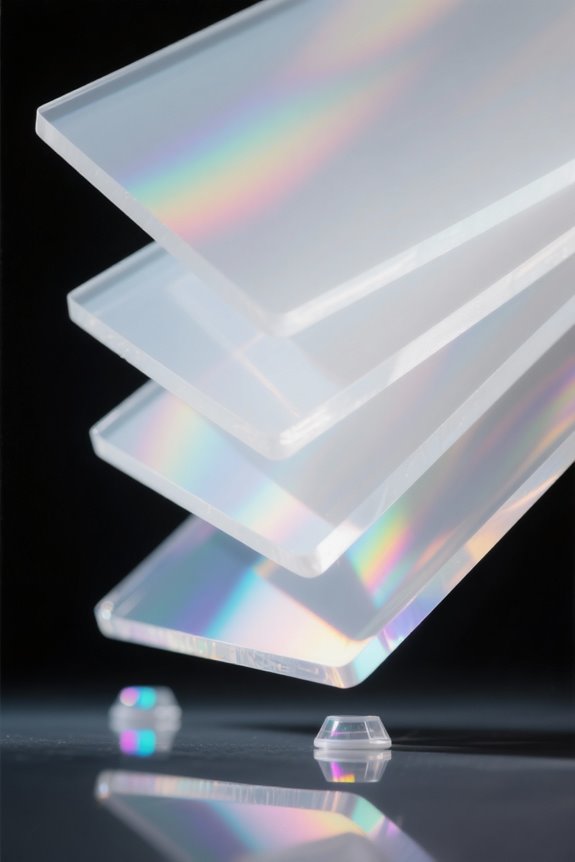
While many materials contribute to improving mouse performance, Virgin PTFE stands out for its unrivaled purity and effectiveness. Composed of 100% pure polytetrafluoroethylene, it features exceptional chemical resistance and a remarkably low friction coefficient. This is essential for reducing drag in various gaming scenarios. Virgin PTFE maintains a stable performance across a temperature range of -200°C to 260°C, ensuring reliability in diverse conditions. Its lack of additives enhances glide characteristics, amplifying responsiveness and precision during use. Additionally, Virgin PTFE offers significant wear resistance, prolonging the lifespan of mouse skates—meaning fewer replacements and better value over time. Therefore, it is frequently chosen by professional gamers who depend on top-tier performance for competitive success. The material is particularly beneficial for ultra-lightweight mice like the Logitech G PRO X SUPERLIGHT, which weighs just 63 grams and demands optimal glide performance.
What Makes Modified PTFE Different?
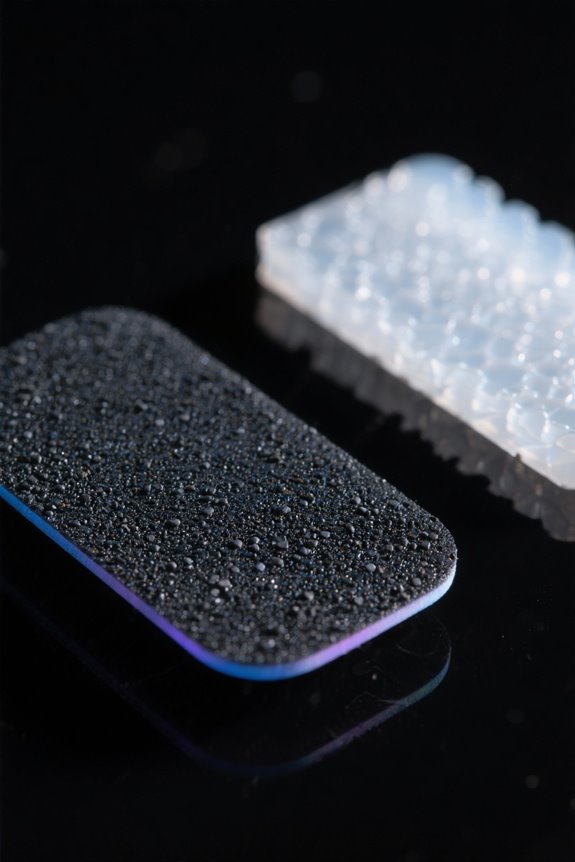
Numerous factors distinguish Modified PTFE from its standard counterpart. This material undergoes chemical alteration, enhancing properties such as stiffness, strength, and particularly, wear resistance. The lower porosity and permeability of Modified PTFE make it suitable for various applications, especially where exposure to wet and gaseous environments occur. The addition of PPVE greatly reduces cold flow, improving creep resistance and enhancing its performance under load. With a smoother surface finish compared to traditional PTFE, Modified PTFE excels not just in wear resistance, but in mechanical properties as well. In addition, its superior dielectric strength subtly guarantees that it is ideal for electrical insulation applications, demonstrating its versatility across multiple uses. Similar to how carbon steel construction provides stability in tablet stands, Modified PTFE’s durability makes it an excellent choice for high-performance applications.
Exploring Eptfe: Features and Benefits

ePTFE, or expanded Polytetrafluoroethylene, stands out in the domain of advanced materials due to its unique microporous structure, which not only facilitates excellent breathability but also maintains impermeability to liquid water. This elasticity makes ePTFE ideal for applications requiring conformability, such as gasketing and sealing. Its superior filtration properties have led to its widespread use in medical implants and breathable apparel. Furthermore, ePTFE boasts low friction characteristics, enhancing wear resistance in dynamic applications, making it a popular choice in diverse industries from filtration to construction. Don’t get me wrong; the material’s versatility and performance metrics make ePTFE a standout option when considering material selection for innovative designs. Overall, its broad applicability confirms its growing relevance in multiple fields. Similar to high-density polyurethane foam used in acoustic panels, ePTFE demonstrates excellent sound absorption properties when properly configured.
The Role of Filled PTFE in Performance

The application of filled PTFE demonstrates notable improvements in performance metrics, showcasing its essential role in demanding industrial applications. Filled PTFE, enhanced with materials such as glass and carbon fibers, provides superior wear resistance and tensile strength compared to virgin PTFE. This guarantees it maintains dimensional stability and reduces creep under load—key factors for durability in dynamic environments. Additionally, filled PTFE exhibits improved thermal conductivity, making it suitable for high-temperature applications requiring efficient heat dissipation. Importantly, the choice of filler greatly impacts its coefficient of friction and chemical resistance, allowing for tailored performance. Consequently, filled PTFE is an ideal material for components like seals and bearings, where strength and resilience are paramount for operational success. Similar to how haptic feedback technology enhances gaming controllers with realistic tactile sensations, filled PTFE’s advanced properties elevate the performance of precision components.
Comparing PTFE Types: A Side-by-Side Look
In the landscape of mouse feet materials, comparing various PTFE types reveals distinct advantages and characteristics essential for informed decision-making. Virgin PTFE, being 100% pure, offers superior glide performance and wear resistance, outperforming standard PTFE which may contain material mixtures that increase friction. Modified PTFE, while potentially less glide-friendly, enhances strength and wear resistance, catering to more demanding applications beyond typical gaming needs. Meanwhile, UHMWPE provides a balanced alternative, maintaining low friction while ensuring durability over extensive use. The choice ultimately hinges on personal performance preferences and the gaming surface employed. When it comes to achieving the lowest coefficient of friction, PTFE remains the top choice for avid gamers, delivering exceptional smoothness and precision in movement. Similar to hair trigger locks in elite gaming controllers, precision-engineered mouse feet materials can provide competitive players with crucial response advantages during intense gameplay.
Impact of Material Choice on Gaming Performance
Choosing the right material for mouse skates can considerably enhance gameplay performance; while many players may overlook this aspect, the implications are profound. Materials like PTFE provide an ultra-smooth glide, reducing friction noticeably compared to standard plastic feet. For example, gamers using PTFE skates might observe up to a 20% improvement in flick recovery times in FPS games. Virgin-grade PTFE, composed of 100% pure material, guarantees longevity and provides a consistent glide during extended sessions. Alternatively, UHMWPE offers a balance between low friction and durability, making it a solid choice for those wanting durable performance. Ultimately, the choice of skate thickness also influences lift-off distance, aligning with varied gaming styles for superior mouse interaction across surfaces. The Focus Pro 30K sensor found in modern gaming mice complements quality feet materials by offering precise tracking even on glass surfaces.
Maintenance Tips for PTFE Mouse Skates
Maintaining ideal performance of PTFE mouse skates requires diligence and attention to detail. Regular cleaning is essential; users should wipe the skates with a lint-free cloth to remove dust and debris, as accumulation impedes smooth gliding. Pairing your mouse with a suitable mousepad tailored to your gaming style will considerably reduce wear on the skates, enhancing their longevity. Keep an eye out for signs of fraying or uneven wear; when noticed, replacing PTFE mouse skates is vital to sustaining performance quality. Additionally, opt for premium replacement kits, as they often simplify installation. Finally, maintaining a clean gaming environment removes contaminants that could deteriorate the mousepad. These maintenance tips can help maximize the lifespan of your PTFE mouse skates. For optimal gaming responsiveness, consider using mice with high polling rates to minimize input lag while gliding on PTFE skates.
Signs It’s Time to Replace Your Mouse Feet
Recognizing when to replace mouse feet is essential to preserving gaming performance and ensuring an ideal user experience. If increased friction causes your mouse to drag or feel less responsive, it may be time for new skates. Signs of wear, such as frayed edges or uneven surfaces, can severely impact both aim and performance. A noticeable decline in glide smoothness indicates the skates have lost effectiveness, necessitating replacement. While regular cleaning can extend their lifespan, persistent issues after maintenance suggest you should consider new mouse feet. Additionally, if the skates struggle on various mouse pad surfaces, securing replacements can enhance compatibility and overall performance, ensuring that every gaming session is smooth and precise. Using a micro-woven cloth surface mousepad can provide optimal tracking and extend the life of your mouse feet while maintaining consistent performance during gameplay.
Compatibility of Various PTFE Types With Gaming Styles
How do different types of PTFE mouse skates align with specific gaming styles? PTFE mouse skates excel in providing ultra-low friction, ideal for fast-paced gaming such as FPS. Virgin PTFE skates, known for their unparalleled glide, guarantee durability during extended sessions, minimizing wear and maintaining performance. For gamers seeking balance, modified PTFE options enhance wear resistance while delivering a controlled glide—ideal for meticulous actions during competitive matches. Remarkably, users of PTFE skates may experience flick recovery time improvements of up to 20%. When choosing between PTFE and alternatives like UHMWPE, consider your gaming style; while PTFE offers unmatched low friction, UHMWPE provides a more durable, yet smooth, gameplay experience for longer sessions. Similar to how high-speed HDMI cables optimize signal stability, quality PTFE mouse feet ensure consistent tracking performance across your mousepad.
Future Innovations in Mouse Skate Materials
Emerging advancements in mouse skate materials are set to transform gaming experiences, particularly with a focus on enhancing both glide performance and durability. Future innovations may include composite blends featuring advanced polymers like UHMWPE, engineered for texture-based friction control. Researchers investigate bio-based materials offering eco-friendly alternatives to PTFE while maintaining low-friction attributes essential for competitive gaming. Furthermore, 3D printing could revolutionize customization, allowing you to tailor skate shapes and materials to your unique playstyle. Companies explore smart materials that dynamically adjust friction based on movement, enhancing adaptability. Additionally, advancements like nano-coating technologies promise improved glide consistency and reduced wear, extending the lifespan and performance of mouse skates in various gaming conditions.
Final Thoughts on Choosing the Right Mouse Feet
Choosing the right mouse feet can greatly affect gaming performance, especially when considering factors such as friction and durability. PTFE is renowned for its ultra-low friction properties, making it ideal for fast-paced gameplay. Virgin PTFE, being the purest form, offers superior glide and exceptional durability. However, users should note that even these high-quality mouse feet can wear down over time, necessitating replacements. Alternatives like UHMWPE are worth considering for those prioritizing longevity; they provide a solid balance between low friction and durability. Additionally, the thickness of mouse skates impacts lift-off distance, which is critical for sensitive gaming scenarios. Ultimately, personal preference plays a key role, and experimentation with various materials may lead to an excellent gaming experience.
Frequently Asked Questions
What Is the Best Material for Mouse Feet?
The best material for mouse feet balances glide performance and durability. PTFE offers superior smoothness and responsiveness, while UHMWPE provides resilience. Competitive gamers typically prefer PTFE for its unparalleled glide in fast-paced gaming scenarios.
What Are PTFE Mouse Feet Made Of?
Crafted for speed, PTFE mouse feet comprise Polytetrafluoroethylene, renowned for its remarkable material properties. This synthetic polymer guarantees minimal drag, enhancing glide and performance, while variations like Virgin PTFE offer superior durability for prolonged use.
Is PTFE Good for Mouse Feet?
PTFE is highly regarded for mouse feet due to its numerous benefits, including ultra-low friction and enhanced glide. Its durability guarantees consistent performance, making it an ideal choice for gamers seeking precision and longevity in their equipment.
What Is the Best Material for a Mouse Pad?
The best material for a mouse pad often hinges on user preferences, with studies showing up to 70% of gamers favoring cloth for precision over hard pads. Different mouse pads enhance gaming performance through varied speed and control dynamics.