


Condenser and dynamic microphones cater to different recording needs in home studios. Generally, condensers, like the Audio-Technica AT2020, excel with a frequency response of 20Hz to 20kHz, capturing subtle nuances. In contrast, dynamic models, such as the Shure SM58, are robust, requiring no phantom power and performing well in loud environments. Dynamic mics focus on sound sources with their cardioid patterns, minimizing background noise. Understanding these differences can enhance your recording quality; more insights await as you continue.
Key Takeaways
- Sound Quality: Condenser microphones provide superior clarity and detail, making them ideal for vocals and intricate recordings in home studios.
- Durability: Dynamic microphones are robust and well-suited for untreated spaces, effectively minimizing background noise and feedback during home recordings.
- Power Requirement: Condenser mics need +48V phantom power, complicating setups, while dynamic mics are plug-and-play with no external power needed.
- Sensitivity: Dynamic mics handle high sound pressure levels well but lack the sensitivity of condensers, crucial for capturing subtle nuances in quieter environments.
- Application Suitability: Choose condensers for studio use and detailed recordings, while dynamics work best for live performances and louder sound sources at home.
Understanding the Diaphragm in Microphones
In the domain of audio recording, the diaphragm serves as the heart of a microphone, a thin membrane that responds to sound waves with remarkable sensitivity. This element is vital for converting acoustic energy into electrical signals. Diaphragms vary in size; large diaphragm microphones provide a fuller sound with heightened sensitivity, while small diaphragm models excel in capturing high frequencies with consistent polar patterns. In dynamic microphones, the diaphragm works in tandem with a coil and magnet for voltage generation, whereas condenser microphones rely on a conductive diaphragm and metal plate to create variable capacitance. The diaphragm’s material heavily influences frequency response and sound quality, making understanding its function essential for effective microphone selection and placement in varied recording environments. Modern USB gaming microphones like the COCONISE utilize a 25mm ultra-large diaphragm to achieve crystal clear audio capture at high sampling rates.
Overview of Dynamic Microphones
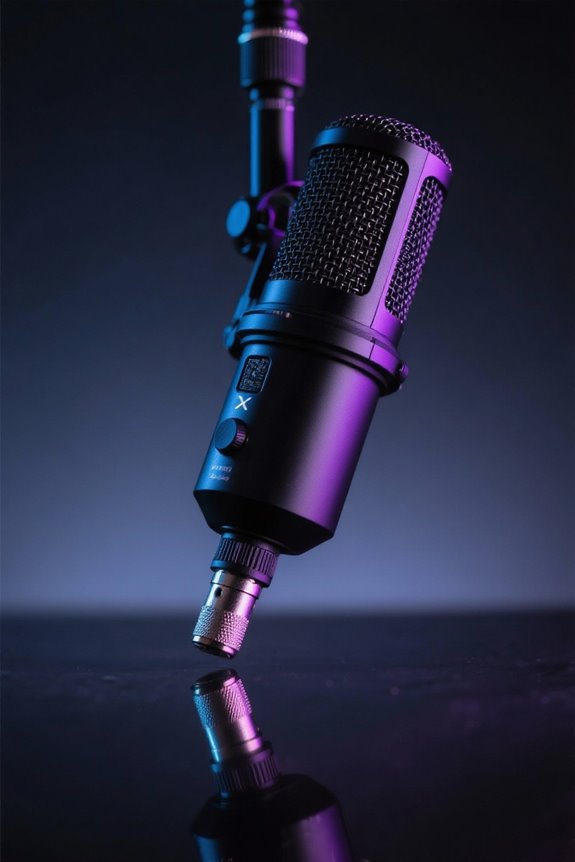
Dynamic microphones serve as robust workhorses in the world of audio recording, particularly appealing to those who value durability and practicality. Utilizing a moving-coil transducer, these microphones effectively convert sound waves into electrical signals without the need for external power. Their resistance to high sound pressure levels makes them ideal for loud environments, like live performances. With a cardioid polar pattern, dynamic microphones prioritize sound from the front while minimizing background noise. However, they exhibit lower sensitivity than their condenser counterparts, requiring the sound source to be closer for best capture. Remarkably, models like the Shure SM58 are renowned for their versatility, making them a staple in numerous recording settings, whether in studios or on stage. For optimal audio clarity, users should maintain a signal-to-noise ratio of approximately 95 dB when recording with dynamic microphones.
Overview of Condenser Microphones
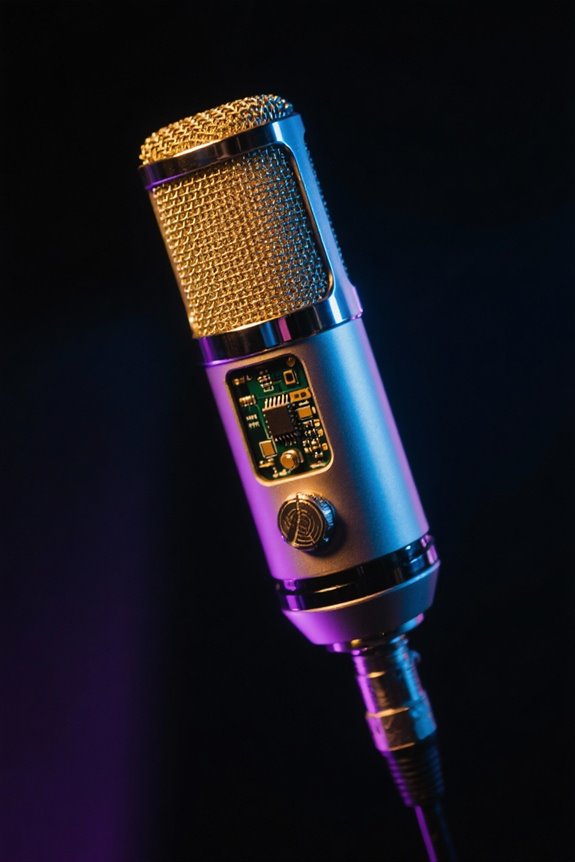
Condenser microphones represent a sophisticated tool in the audio recording landscape, offering exceptional clarity and detail that many audio professionals demand. These microphones utilize a conductive diaphragm placed near a metal plate to convert sound waves into electrical signals through variable capacitance. Requiring +48V phantom power for operation, they are not suited for environments lacking this power source. The sensitivity of a condenser microphone allows it to excel in capturing high-frequency sounds and intricate nuances, making it ideal for studio recordings, particularly in capturing vocals and acoustic instruments. While they provide unmatched detail and clarity, condenser microphones are also more delicate than their dynamic counterparts, necessitating operation in treated environments to minimize self-noise and optimize performance. Similar to the high-impact copolymer materials used in modern pegboard systems, condenser microphones require durable construction to maintain their precision and reliability over time.
Key Differences Between Dynamic and Condenser Microphones
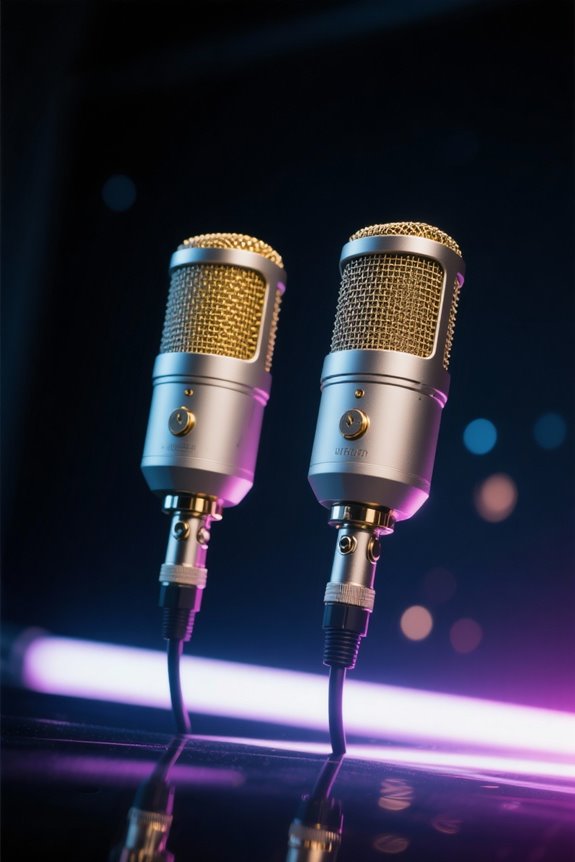
Microphone technology offers distinct advantages through its two primary types: dynamic and condenser. Dynamic microphones use a moving coil and magnet mechanism to convert sound waves into electrical signals, making them durable and able to handle high sound pressure levels without distortion. In contrast, condenser microphones feature a conductive diaphragm, requiring phantom power (+48V) to capture subtle details and high frequencies. Sensitivity differences mean dynamic microphones excel in live performances, while condenser microphones are ideal for nuanced home recording scenarios. Additionally, polar patterns greatly affect microphone choice. Dynamic mics typically have cardioid patterns to reduce background noise, whereas condensers often feature multiple patterns, enhancing versatility according to specific recording needs. Understanding these differences helps optimize audio quality. Similar to how weight distribution affects comfort in VR headsets, proper microphone positioning impacts recording quality and user experience.
Benefits and Downsides of Dynamic Microphones
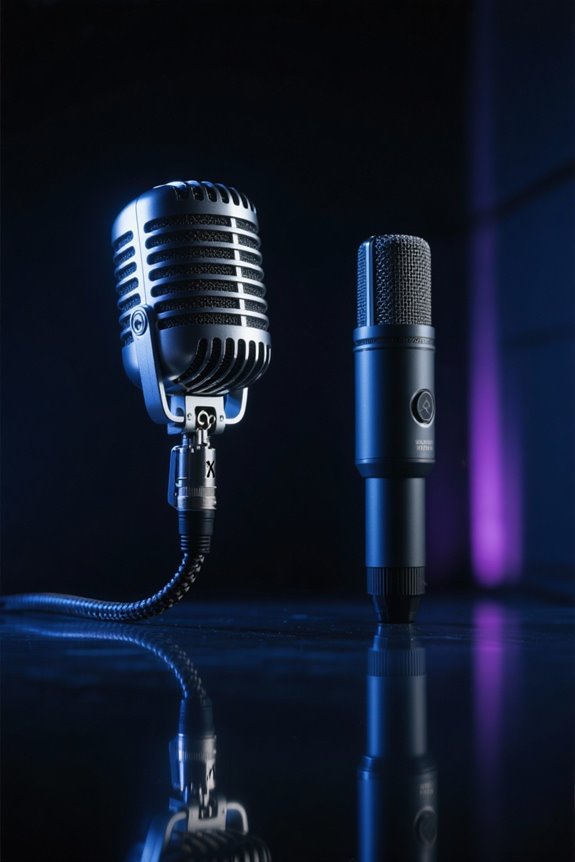
In the domain of audio recording, the benefits of using dynamic microphones are substantial, especially for those who seek reliability and ease of use. These microphones are known for their durability, able to withstand rough handling during live performances and travel. Dynamic microphones do not require external power, providing simple plug-and-play operation. Their lower sensitivity makes them less susceptible to background noise and feedback, which is advantageous in crowded settings. They excel in high sound pressure levels, handling sources like guitar amplifiers and drums without distortion. While they may lack the fine detail found in condenser microphones, dynamic mics deliver a punchy sound ideal for specific vocals and instruments. Consequently, the choice often hinges on context and performance demands. Much like the way response time affects motion clarity in gaming monitors, dynamic microphones impact how clearly transient sounds are captured during recording.
Benefits and Downsides of Condenser Microphones
Among the diverse audio recording tools available, five key attributes define condenser microphones as a favored choice, particularly in home recording settings. Known for their high sensitivity, condenser microphones can capture the subtle nuances of vocal recordings and acoustic instruments, delivering exceptional sound quality. However, they require phantom power (+48V) to function, which can complicate setups compared to dynamic mics. With a frequency response typically ranging from 20Hz to 20kHz, they excel in high-frequency recordings, ensuring clarity and brightness. Despite these advantages, their delicate nature makes them more prone to noise, necessitating careful handling. Similar to how cable management sleeves protect and organize wires in a home office, proper microphone cable organization is essential for maintaining clean audio signals and preventing interference. To summarize, condenser microphones provide remarkable detail in recordings, but require controlled environments for peak performance, balancing their benefits against potential downsides.
Factors to Consider When Choosing a Microphone
What essential factors influence the decision when selecting a microphone for home recording? First, consider frequency response; condenser microphones excel in capturing high frequencies, making them ideal for vocals, while dynamic microphones handle loud sources with less sensitivity. Next, evaluate the polar pattern—cardioid patterns in dynamic mics effectively reduce background noise, whereas condensers often provide multiple options for versatile recording scenarios. Don’t forget the power source; condenser microphones typically require phantom power (+48V), while dynamic models are plug-and-play. Finally, assess your recording space’s acoustic treatment, as condenser mics are sensitive and may necessitate a controlled environment. In contrast, dynamic microphones are more forgiving, performing well in untreated rooms due to reduced mic bleed. Like modern gaming soundbars that deliver rich soundscapes to enhance situational awareness, choosing the right microphone type significantly impacts your recording quality and performance.
Appropriate Use Cases for Dynamic and Condenser Microphones
A variety of scenarios call for the unique strengths of dynamic and condenser microphones, emphasizing the importance of selecting the right tool for specific recording needs. Dynamic microphones excel in high sound pressure levels, making them ideal for loud sources like drum kits and electric guitar amplifiers, where durability and noise rejection are essential. Conversely, condenser microphones are preferable for home recording, especially in capturing vocals and acoustic guitar, thanks to their higher sensitivity and ability to reproduce nuanced details. In podcasting, dynamic mics reduce background noise in untreated environments, providing clarity for spoken word, whereas condensers shine in controlled studios, offering superior sound quality for voiceovers. Understanding these use cases can enhance overall recording outcomes. Regardless of microphone choice, using a dual-layered pop filter can significantly improve audio clarity by reducing plosive sounds and wind interference during recording sessions.
Tips for Optimal Microphone Setup in Home Recording
How can one guarantee an effective microphone setup for home recording? Start by positioning condenser microphones about one foot from the sound source; this placement captures nuanced sound details while reducing proximity effects. For louder sources like drums, opt for dynamic microphones due to their low sensitivity, enabling better handling of high sound pressure levels without distortion. Pay attention to the acoustics of your space; untreated rooms often benefit from the noise rejection of dynamic mics. Experiment with different polar patterns on condenser microphones—cardioid for solo vocals and omnidirectional for groups—to optimize sound capture based on your environment. Finally, make certain your recording interface provides phantom power (+48V) for condenser microphones to operate effectively. Consider mounting your microphone on a stand with 360-degree rotation capabilities to achieve precise positioning and minimize unwanted vibrations during recording sessions.
Frequently Asked Questions
Are Condenser or Dynamic Mics Better for Recording?
The choice between condenser and dynamic microphones for recording depends on recording environments and application versatility. Condensers excel in sensitivity and audio clarity, while dynamics provide durability and user-friendly studio setups, despite price differences.
What Are the Disadvantages of a Condenser Mic?
The disadvantages of a condenser microphone include high noise sensitivity, necessary power requirements, elevated costs, potential ambient interference, durability factors, frequency response issues, and susceptibility to acoustic feedback in unsuitable usage scenarios, complicating effective home recording.
What Are the Disadvantages of Dynamic Mics?
Dynamic microphones, while robust, suffer from dramatic limitations: poor sensitivity hampers vocal clarity, background noise intrudes during recordings, and frequency response restricts instrument pickup, leaving users longing for the shimmering detail found in more delicate alternatives despite cost efficiency.
Why Would You Use a Dynamic Microphone?
A dynamic microphone is preferred for live performances due to its durability factors, effective sound capture in high SPL environments, and excellent vocal clarity, while maintaining a reasonable price point and minimizing background noise, despite some portability issues.


